Why We Aren’t Ready for Full Electric Vehicles Yet
Electric vehicles (EVs) are often heralded as the future of transportation, promising a cleaner, more sustainable way to get around. While the potential benefits of EVs are substantial, the transition from traditional internal combustion engine (ICE) vehicles to full EVs faces significant challenges. Here are some key reasons why we aren't quite ready for a full-scale shift to electric vehicles.
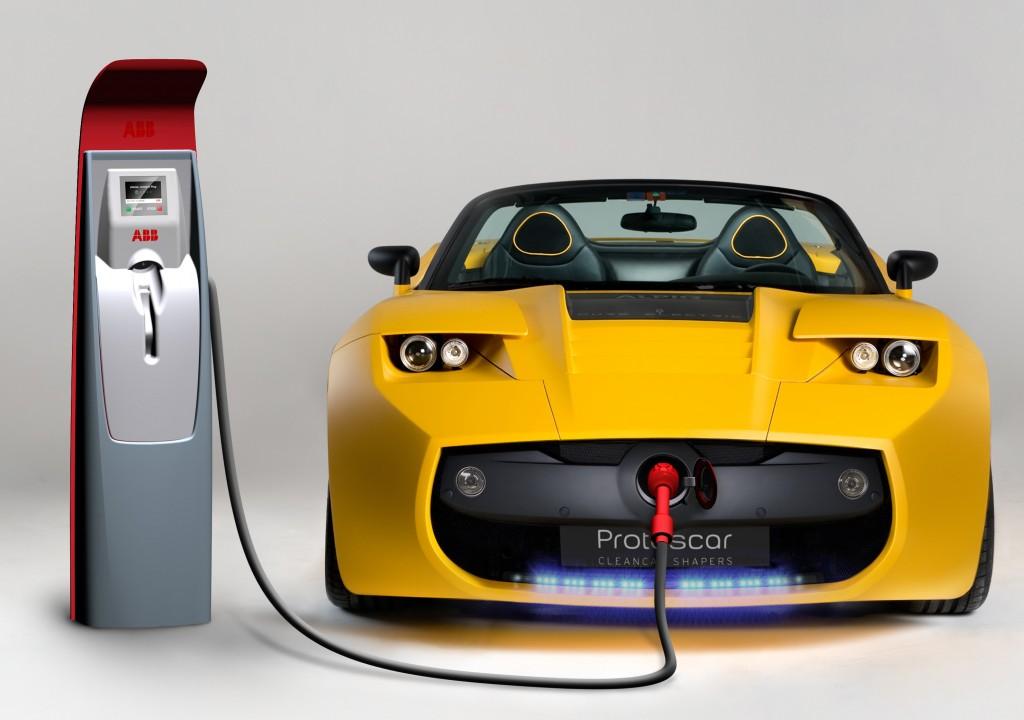
- Infrastructure Limitations: One of the most significant hurdles to widespread EV adoption is the lack of adequate charging infrastructure. Unlike traditional gas stations, which are ubiquitous and can refuel a vehicle in minutes, charging stations are still relatively scarce and charging times are longer. For many potential EV owners, particularly those in rural areas or those without access to home charging, this limitation makes EVs less practical.
- Range Anxiety: Range anxiety remains a considerable barrier for many drivers. Although the range of EVs has improved significantly, with some models now capable of traveling over 300 miles on a single charge, this is still less than what many ICE vehicles can achieve on a full tank of gas. The fear of running out of battery power before reaching a charging station can deter consumers from making the switch to electric.
- High Upfront Costs: While the total cost of ownership for an EV can be lower due to savings on fuel and maintenance, the initial purchase price of many electric vehicles is still higher compared to their ICE counterparts. Although prices are gradually coming down and government incentives can help, the higher upfront cost remains a significant deterrent for many consumers.
- Battery Technology and Longevity: Current battery technology presents several challenges. Lithium-ion batteries, which are commonly used in EVs, degrade over time, leading to reduced range and the eventual need for expensive replacements. Additionally, the production and disposal of these batteries pose environmental and ethical concerns, including the mining of rare minerals and the generation of electronic waste.
- Charging Time: Even with advancements in fast-charging technology, charging an EV still takes significantly longer than filling up a gas tank. Rapid chargers can replenish an EV battery to 80% in around 30 minutes, but this is still a considerable delay compared to the few minutes required at a gas station. For many drivers, especially those who frequently take long trips, this time factor can be a major inconvenience.
- Energy Grid and Sustainability Concerns: The current energy grid in many regions is not fully equipped to handle a massive influx of EVs. Increased demand for electricity could strain the grid, especially in areas where renewable energy sources are not sufficiently developed. Moreover, the environmental benefits of EVs are closely tied to how the electricity used to charge them is generated. In areas reliant on coal or other non-renewable sources, the green advantage of EVs diminishes.
- Market Readiness and Consumer Acceptance: Despite growing interest in EVs, the market is still in a transitional phase. Many consumers remain hesitant due to the aforementioned issues and a general lack of familiarity with electric vehicle technology. Additionally, the availability of different EV models is still limited compared to the vast selection of ICE vehicles, which can make it difficult for consumers to find an EV that suits their specific needs and preferences.
Conclusion
While the transition to electric vehicles is undoubtedly underway and holds immense promise for the future, several significant barriers need to be addressed before we can achieve full-scale adoption. Improvements in infrastructure, battery technology, costs, and consumer acceptance are essential to overcoming the current challenges. Until these issues are resolved, the dream of an all-electric future remains just out of reach, necessitating a continued reliance on a mix of ICE vehicles and EVs. By acknowledging and tackling these obstacles head-on, we can pave the way for a more sustainable and practical transportation future.