Why Hybrid Vehicles Are Better Than Electric Vehicles Right Now
As the automotive industry advances toward greener transportation solutions, both hybrid vehicles and electric vehicles (EVs) have emerged as popular options. While EVs represent a zero-emission future, hybrid vehicles offer a more practical and immediate solution for many consumers today. Here are several reasons why hybrid vehicles are currently a better choice than fully electric vehicles.
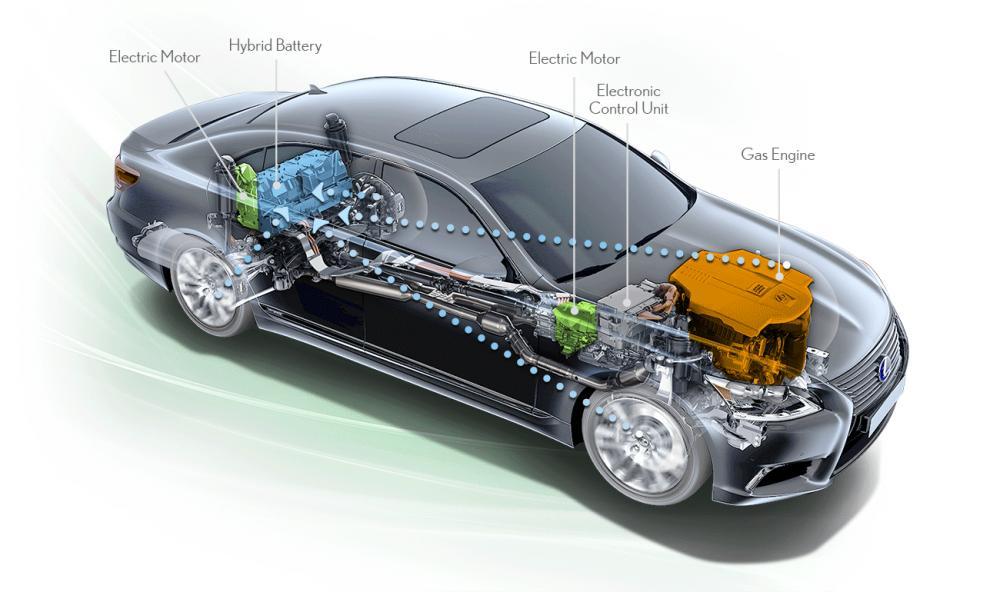
- Range and Convenience: Hybrid vehicles combine an internal combustion engine with an electric motor, providing the flexibility to switch between or simultaneously use both power sources. This dual system significantly extends the driving range compared to EVs, which rely solely on battery power. With a hybrid, drivers can enjoy the extended range and quick refueling times of gasoline engines while benefiting from the fuel efficiency and lower emissions of electric power. This hybrid advantage alleviates the range anxiety often associated with fully electric vehicles.
- Charging Infrastructure Challenges: While the EV charging infrastructure is growing, it is still far from ubiquitous. Many regions, especially rural and suburban areas, lack sufficient charging stations, making long trips or daily commuting challenging for EV owners. Hybrids, on the other hand, do not solely depend on charging infrastructure. They can be fueled at any gas station, providing unparalleled convenience and peace of mind for long-distance travelers or those without easy access to charging points.
- Affordability: The initial purchase price of hybrid vehicles tends to be lower than that of fully electric vehicles. Although EVs often have lower operating costs due to cheaper electricity and reduced maintenance, the higher upfront cost can be a significant barrier for many consumers. Hybrids offer a more affordable entry point into the world of eco-friendly vehicles, making them an attractive option for budget-conscious buyers.
- Transition Technology: Hybrids serve as an excellent transitional technology for consumers moving from traditional gasoline vehicles to more sustainable options. They provide a familiar driving experience while introducing the benefits of electric power. This gradual shift can help consumers adapt to new technology without the drastic lifestyle changes required for fully electric vehicles. As a result, hybrids can play a crucial role in bridging the gap to a fully electric future.
- Battery Life and Longevity: The batteries in hybrid vehicles are typically smaller and less expensive to replace than those in fully electric vehicles. Additionally, because hybrids use both gasoline and electric power, the demand on the battery is reduced, potentially extending its lifespan. This can result in lower long-term maintenance costs and fewer concerns about battery degradation, a common issue with EVs.
- Energy Efficiency in Real-World Conditions: Hybrids often perform better in real-world driving conditions, where varied speeds and driving habits can affect efficiency. For example, in city driving with frequent stops and starts, hybrids can use their electric motors to save fuel and reduce emissions. On the highway, the gasoline engine can take over, providing consistent power and range. This adaptability makes hybrids more efficient in diverse driving scenarios compared to EVs, which may suffer from reduced range in specific conditions such as extreme cold or high-speed travel.
- Environmental Impact: While EVs are often touted for their zero tailpipe emissions, the overall environmental impact of hybrid vehicles can sometimes be more favorable, especially in regions where electricity generation relies heavily on fossil fuels. Hybrids produce fewer emissions than traditional gasoline vehicles and can reduce dependence on non-renewable energy sources. As the energy grid becomes greener, the environmental benefits of hybrids will continue to grow, making them a more sustainable choice in the short term.
Conclusion
Hybrid vehicles offer a compelling alternative to fully electric vehicles, providing a balanced solution that combines the benefits of both gasoline and electric power. They address many of the current limitations of EVs, such as range anxiety, charging infrastructure, and high upfront costs, while offering a practical and eco-friendly driving experience. As the world gradually transitions to fully electric transportation, hybrids present an accessible and efficient option for consumers today, making them a superior choice for those seeking sustainability without compromising convenience and affordability.