Understanding the Difference Between Good Debt and Bad Debt
Debt often carries a negative connotation, conjuring images of financial strain and stress. However, not all debt is created equal. There’s a distinct difference between good debt and bad debt, and understanding when and how to use both can be a powerful tool in managing your financial future.
What is Good Debt?
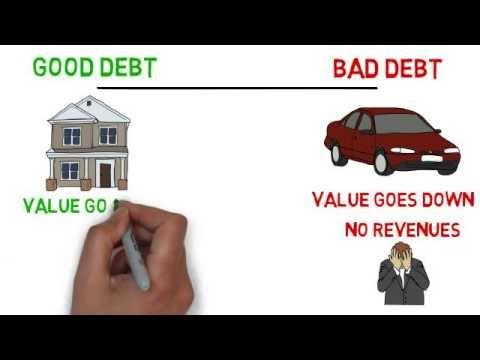
Good debt is borrowing that can potentially improve your financial position over time. This type of debt is typically used to acquire assets that are likely to increase in value or generate income. The key characteristic of good debt is that it’s an investment in your future.
Examples of Good Debt:
- Student Loans: Education is one of the most common forms of good debt. By investing in your education, you’re increasing your earning potential over the course of your career. Studies consistently show that those with higher education levels tend to earn more over their lifetimes, making student loans a strategic form of debt if managed wisely.
- Mortgages: A mortgage on a home is often considered good debt because real estate tends to appreciate over time. Not only does owning a home build equity, but it can also provide stability and a sense of financial security. If you’re buying property in a growing area, the value of your home could increase significantly over the years, turning your mortgage into a profitable investment.
- Business Loans: Taking out a loan to start or expand a business can also be good debt, provided the business has a solid plan and potential for growth. If successful, the business will generate enough income to pay off the loan and yield profits, making the initial debt worthwhile.
- Investment Loans: Borrowing money to invest in stocks, bonds, or other financial instruments can be good debt if the return on investment is higher than the interest rate on the loan. This is often a strategy used by experienced investors who can manage the risks involved.
What is Bad Debt?
Bad debt, on the other hand, is borrowing that does not improve your financial position and may even lead to financial hardship. This type of debt typically involves high-interest rates and is used to purchase items that depreciate in value or provide no long-term financial benefit.
Examples of Bad Debt:
- Credit Card Debt: Credit card debt is one of the most common forms of bad debt, particularly when it’s used to purchase non-essential items like clothes, electronics, or dining out. Credit cards often carry high-interest rates, and if not paid off quickly, the interest can snowball, leading to a cycle of debt that’s difficult to escape.
- Car Loans: While owning a car is often necessary, car loans can be considered bad debt because vehicles depreciate rapidly. The moment you drive a new car off the lot, its value decreases. Sometimes it’s necessary to borrow money for a vehicle, but always get the lowest rate possible and do the shortest term you can afford. Financing a vehicle with a high-interest loan, especially if the car is beyond your means, can be a financial burden rather than an asset.
- Personal Loans for Non-Essential Purchases: Taking out personal loans for vacations, weddings, or other luxury expenses can also be categorized as bad debt. These are non-essential expenditures that don’t provide long-term financial value and can strain your finances if not carefully managed.
- Payday Loans: Payday loans are among the worst types of bad debt. They come with extremely high-interest rates and are designed to be short-term, but they can trap borrowers in a cycle of debt that’s hard to break.
When to Use Good Debt vs. Bad Debt
Knowing when to use debt is just as important as understanding the difference between good and bad debt. Here are some guidelines:
- Investing in Your Future: Use good debt to invest in opportunities that have the potential to improve your financial situation over time. This includes education, real estate, or starting a business. Make sure to research and plan thoroughly before taking on this type of debt.
- Avoid Impulse Spending: Bad debt often arises from impulsive decisions or the desire for instant gratification. Avoid using debt to finance lifestyle choices that you can’t afford or that don’t contribute to your long-term financial goals.
- Consider the Interest Rate: Even good debt can become bad if the interest rate is too high. Always consider the cost of borrowing and whether the potential return justifies the debt.
- Debt Repayment Plan: Whether it’s good debt or bad debt, always have a clear repayment plan. Ensure that your budget can accommodate the debt payments without causing undue stress or financial strain.
- Emergency Situations: In some cases, taking on bad debt may be unavoidable, such as during a medical emergency or unexpected job loss. If you must take on bad debt, have a strategy for paying it off as quickly as possible to minimize the financial impact.
Conclusion: Debt as a Tool for Financial Growth
Debt, when used wisely, can be a powerful tool for financial growth. Good debt can help you achieve significant milestones, such as owning a home, advancing your education, or building a business. However, it’s crucial to avoid falling into the trap of bad debt, which can hinder your financial progress and lead to long-term challenges.
By understanding the difference between good and bad debt and knowing when to use each, you can make informed decisions that support your financial goals and help you build a secure and prosperous future.