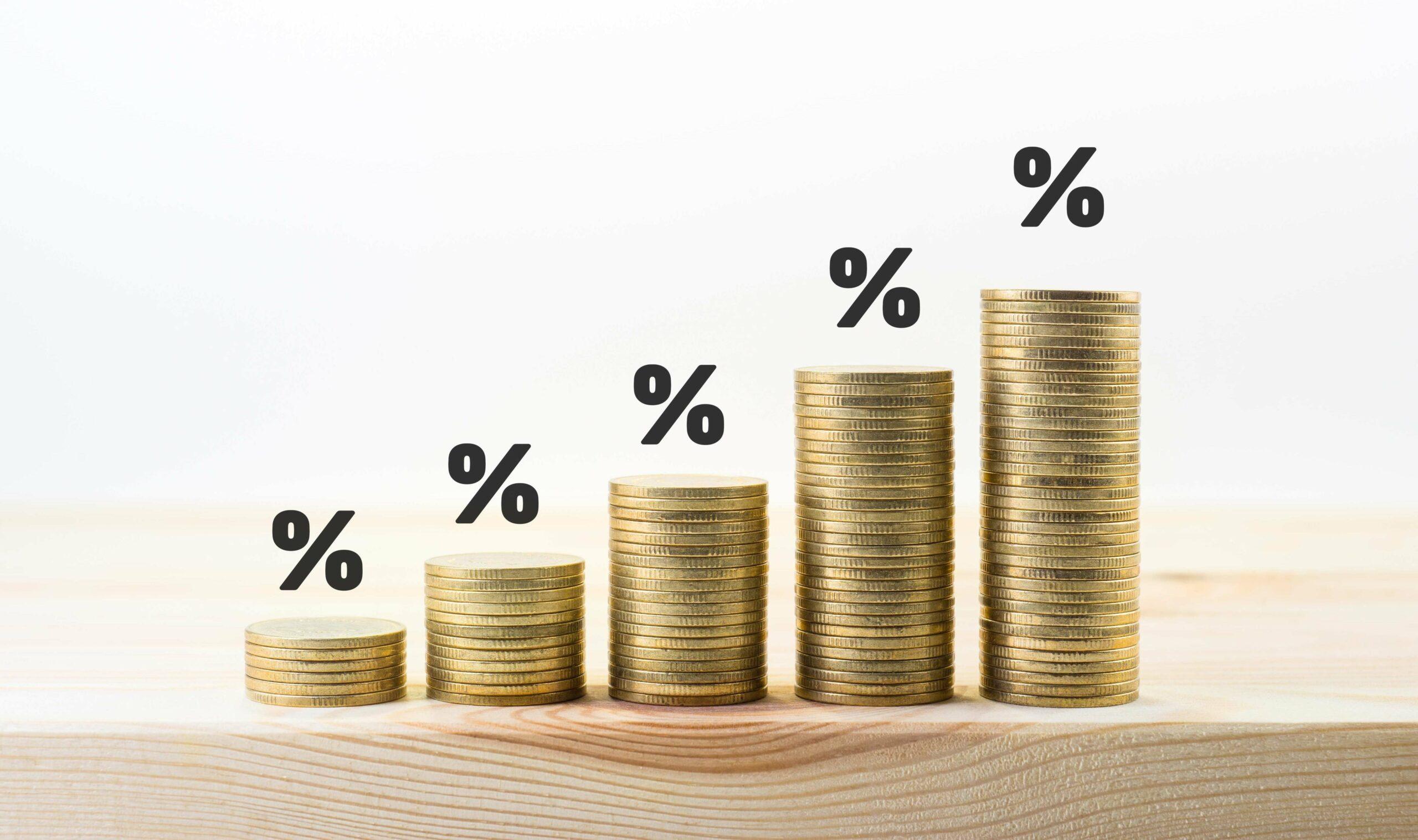
Understanding Compounding Inflation
Introduction
Inflation is a term frequently mentioned in economic discussions, but its implications often go misunderstood. One critical aspect of inflation is how it compounds over time, affecting purchasing power and economic stability. This article delves into the basics of inflation and the concept of compounding, providing a foundation for understanding how these forces interact.
What is Inflation?
Inflation refers to the rate at which the general level of prices for goods and services rises, subsequently eroding purchasing power. When inflation occurs, each unit of currency buys fewer goods and services than before. This is typically measured by the Consumer Price Index (CPI) or the Producer Price Index (PPI).
The Concept of Compounding
Compounding is a powerful mathematical concept often associated with interest in savings and investments. It refers to the process where the value of an investment grows exponentially over time, as earnings generate further earnings. When applied to inflation, compounding describes how the rate of price increases accelerates, impacting the economy more profoundly over longer periods.
How Compounding Inflation Works
Compounding inflation means that the rate of inflation applies not just to the original price levels but to the new, higher levels created by previous inflation. For example, if the inflation rate is 5% annually, a product costing $100 today will cost $105 next year, and $110.25 the following year. This growth is exponential rather than linear, leading to more significant impacts over time.
Impacts of Compounding Inflation
- Erosion of Savings: As prices rise exponentially, the value of savings diminishes. What might seem like a substantial amount of money today will have less purchasing power in the future.
- Increased Cost of Living: Everyday expenses, from groceries to housing, become more expensive, affecting consumers' quality of life and financial stability.
- Business and Investment Decisions: Companies must account for rising costs in their pricing strategies and investment planning, impacting profit margins and economic growth.
Conclusion
Understanding compounding inflation is crucial for both personal financial planning and broader economic policies. Recognizing its exponential nature can help individuals and businesses make more informed decisions to mitigate its effects. In the next article, we will explore historical examples of compounding inflation and their economic impacts.