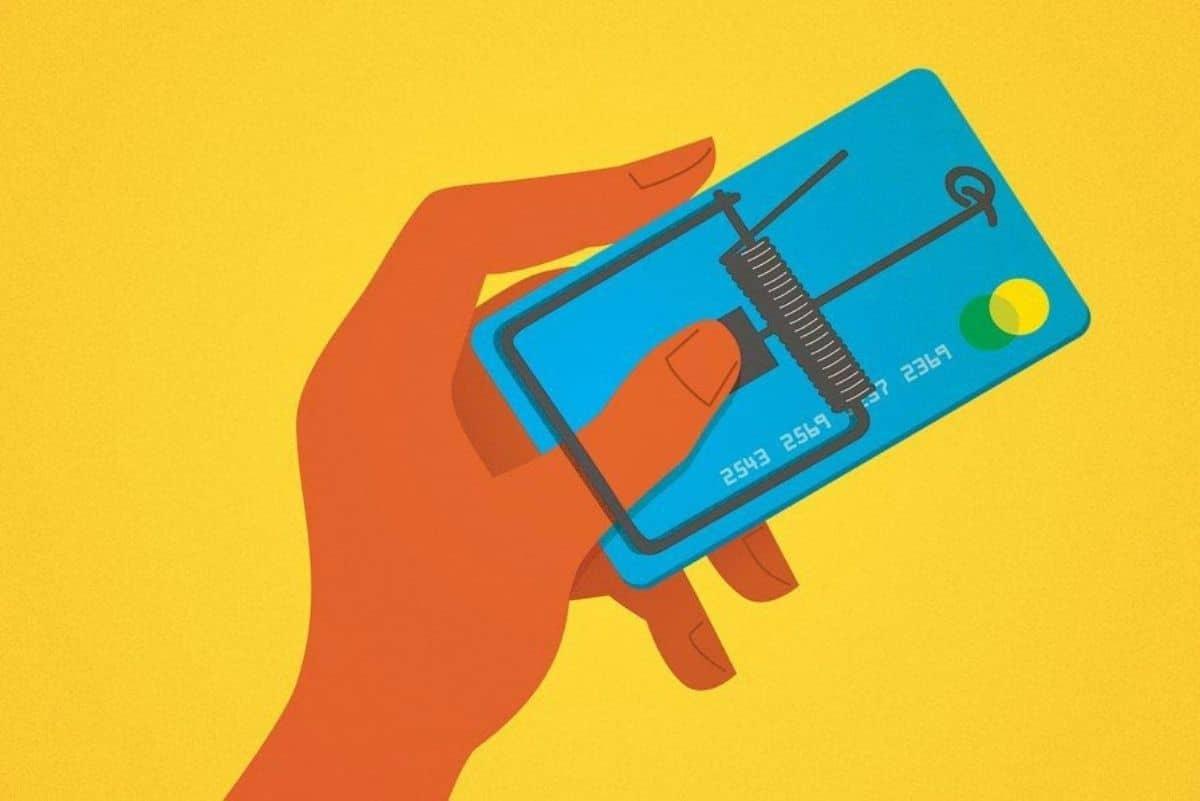
The Importance of Keeping Credit Card Balances Low to Increase Your Credit Score
Your credit score is a crucial component of your financial health, influencing everything from loan approvals to interest rates. One of the most effective ways to improve and maintain a high credit score is by keeping your credit card balances low. Here’s why this strategy is essential and how you can implement it to boost your credit score.
1. Understanding Credit Utilization
Credit utilization, or the ratio of your credit card balances to your credit limits, is a significant factor in determining your credit score. It accounts for about 30% of your FICO score, making it the second most important factor after your payment history. A lower credit utilization ratio indicates that you are managing your credit responsibly, which can positively impact your credit score.
2. Impact on Credit Score
Keeping your credit card balances low relative to your credit limits helps improve your credit score in several ways:
- Lower Credit Utilization Ratio: Ideally, you should aim to keep your credit utilization ratio below 30%. For example, if your total credit limit is $10,000, you should try to keep your total balance below $3,000.
- Per-Card Utilization: In addition to your overall credit utilization, the utilization ratio on each individual card also matters. High balances on a single card can negatively impact your score even if your overall utilization is low.
- Regular Monitoring: Credit reporting agencies update your credit utilization monthly, so maintaining low balances can have a quick and positive effect on your score.
3. Benefits of a Higher Credit Score
A higher credit score offers numerous advantages, including:
- Lower Interest Rates: Better credit scores typically qualify for lower interest rates on loans and credit cards, saving you money in the long run.
- Improved Loan Approval Odds: A higher score increases your chances of being approved for loans and credit lines.
- Better Insurance Rates: Some insurers use credit scores to set premiums, so a higher score can result in lower rates.
- Higher Credit Limits: Lenders may be more willing to increase your credit limits, further improving your credit utilization ratio.
4. Strategies to Keep Balances Low
Maintaining low credit card balances requires discipline and strategic financial management. Here are some effective strategies:
- Pay Off Balances in Full: Whenever possible, pay off your credit card balances in full each month to avoid interest charges and keep your utilization low.
- Make Multiple Payments: If you can't pay off your balance in full, consider making multiple payments throughout the month to keep your balances low.
- Set Up Balance Alerts: Many credit card issuers offer alerts when your balance reaches a certain threshold. Use these alerts to manage your spending and keep your utilization in check.
- Increase Credit Limits: Requesting a higher credit limit can lower your utilization ratio, but only if you maintain the same or lower balance. Be cautious with this approach to avoid the temptation to overspend.
- Use Multiple Cards: Spread your purchases across multiple cards to keep the balance on each card low. However, manage this strategy carefully to avoid excessive spending.
- Budgeting and Spending Plans: Create a budget and stick to it. Plan your spending to ensure you don’t exceed your monthly payment capacity.
5. Regularly Review Credit Reports
To effectively manage your credit utilization, regularly review your credit reports for accuracy. Mistakes on your report, such as incorrectly reported balances, can negatively affect your credit score. You’re entitled to a free credit report from each of the three major credit bureaus annually through AnnualCreditReport.com. Reviewing your report allows you to dispute any inaccuracies promptly.
Conclusion
Keeping your credit card balances low is a straightforward yet powerful strategy to boost your credit score. By understanding and managing your credit utilization, you can improve your financial health and enjoy the numerous benefits of a higher credit score. Implementing disciplined spending habits, making timely payments, and regularly reviewing your credit reports are essential steps in this process. By taking control of your credit utilization, you pave the way for better financial opportunities and greater peace of mind.