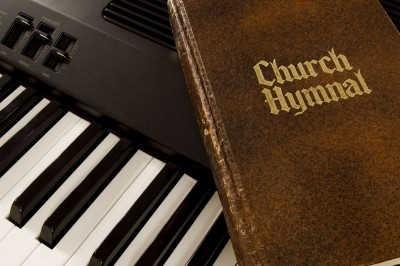
The Harmony of Worship: Music as a Sacred Expression
Worship, in its essence, is an expression of reverence and adoration towards a higher power. It is a practice found in many forms across diverse cultures and religions. While traditional worship often involves prayer, rituals, and ceremonies, music stands out as a universal language that transcends these boundaries, weaving a thread of spirituality and connection. This profound link between music and worship suggests that if one finds it difficult to pray, singing might be an equally potent alternative.
The Universality of Music in Worship
Music has been intertwined with worship since ancient times. From the hymns of ancient Greeks and the Vedic chants of India to the Psalms of King David and the spirituals sung by enslaved African Americans, music has served as a medium to connect with the divine. This universality speaks to the inherent power of music to evoke emotional and spiritual experiences that words alone may not capture.
In many religious traditions, music is not merely an accompaniment to worship but is considered an act of worship itself. For instance, in Christianity, singing hymns and worship songs is a vital part of the liturgy. The Quran is often recited in a melodic and rhythmic manner, known as Tajweed, enhancing its spiritual impact. In Hinduism, bhajans (devotional songs) and kirtans (call-and-response chanting) are central to communal worship, fostering a sense of unity and collective devotion.
Music as Prayer
Prayer is a personal and intimate form of communication with the divine, often characterized by spoken or silent words. However, music can elevate this experience by engaging the heart, mind, and soul in a way that mere words might not. Singing transforms prayer into a holistic experience, merging the physical act of singing with the emotional and spiritual intentions behind the words.
Consider the emotional depth and spiritual intensity of a gospel choir, the meditative calm of a Gregorian chant, or the ecstatic devotion in a Sufi qawwali. These musical expressions transcend the boundaries of spoken language, creating a direct pathway to the divine. When words fail or feel insufficient, music fills the void, expressing the inexpressible and reaching the depths of the soul.
The Transformative Power of Singing
Singing has the power to transform both the individual and the collective. On a personal level, it can serve as a form of emotional release, healing, and spiritual awakening. The physical act of singing engages the body, while the melody and rhythm stimulate the mind and emotions, creating a comprehensive sensory experience that fosters a deep sense of connection with the divine.
In a communal setting, singing unites individuals, breaking down barriers and fostering a sense of collective worship. The shared experience of singing together can create a powerful sense of unity and belonging, enhancing the communal aspect of worship. This collective act of singing can amplify the spiritual energy of a group, creating an atmosphere of shared devotion and reverence.
When Words Are Not Enough
For those who struggle with prayer or find it difficult to articulate their thoughts and feelings, singing can be a liberating and powerful alternative. The melody and rhythm of a song can carry one’s intentions and emotions, making it easier to connect with the divine. Singing allows for a more spontaneous and heartfelt expression, bypassing the need for structured or formal prayer.
In moments of joy, sorrow, gratitude, or seeking solace, a song can often convey what words cannot. The act of singing, with its inherent emotional and spiritual depth, can transform a simple melody into a profound act of worship. Whether it’s a traditional hymn, a contemporary worship song, or a personal melody, singing can open the door to a deeper spiritual experience.
Conclusion
Music and worship are intrinsically linked, each enhancing the other’s power and beauty. When prayer feels out of reach, singing can serve as a profound and accessible form of worship, allowing individuals to connect with the divine in a deeply personal and expressive way. Through the universal language of music, one can find a path to spirituality that transcends words, reaching the heart and soul in ways that are both timeless and transformative.