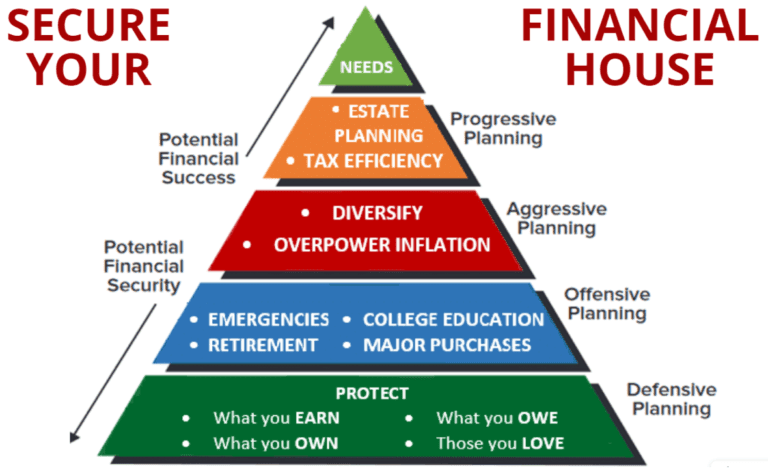
Get Your Financial House in Order and It Won't Matter Who Is President Next Year
Political climates can be unpredictable, and election years often bring uncertainty about the future. While the policies of the incoming administration can impact the economy, the best way to safeguard your financial future is to take control of your finances now. By getting your financial house in order, you can weather any political storm and thrive regardless of who occupies the White House. Here’s how to start:
1. Assess Your Financial Health
Understanding your current financial situation is the first step toward improvement. Create a comprehensive list of your assets (savings, investments, property) and liabilities (debts, loans, credit card balances). Calculate your net worth by subtracting your liabilities from your assets. This gives you a clear snapshot of your financial health.
Key Actions:- List all assets and liabilities.
- Calculate your net worth.
- Identify financial strengths and areas needing improvement.
2. Create and Stick to a Budget
A budget is essential for managing your finances effectively. It helps you track your income and expenses, ensuring you live within your means. Start by listing all sources of income and necessary expenses (housing, utilities, groceries, transportation). Allocate funds for savings and discretionary spending.
Key Actions:- Document income sources and monthly expenses.
- Allocate funds for savings and non-essential spending.
- Monitor and adjust your budget regularly.
3. Build an Emergency Fund
An emergency fund acts as a financial safety net during unexpected situations like medical emergencies, car repairs, or job loss. Aim to save at least three to six months' worth of living expenses.
Key Actions:- Open a dedicated savings account for your emergency fund.
- Set up automatic transfers to your emergency fund.
- Regularly contribute to your fund until you reach your target.
4. Pay Down Debt
Debt can be a significant financial burden. Prioritize paying off high-interest debt, such as credit card balances, as quickly as possible. Utilize strategies like the debt avalanche method (paying off debts with the highest interest rates first) or the debt snowball method (paying off the smallest debts first for quick wins).
Key Actions:- List all debts with interest rates and minimum payments.
- Select a debt repayment strategy (avalanche or snowball method).
- Make extra payments to accelerate debt repayment when possible.
5. Save for Long-Term Goals
Saving for the future is essential for financial stability. Open a retirement account, such as a 401(k) or IRA, and contribute regularly. Also, save for other long-term goals like buying a home, funding education, or traveling.
Key Actions:- Open a retirement account if you don't have one.
- Regularly contribute to your retirement savings.
- Set specific savings goals for other long-term objectives.
6. Invest Wisely
Investing can help grow your wealth over time. Diversify your investment portfolio to minimize risk and maximize returns. Consider consulting with a financial advisor to develop a strategy that aligns with your risk tolerance and financial goals.
Key Actions:- Educate yourself on various investment options (stocks, bonds, mutual funds).
- Diversify your investments to mitigate risk.
- Regularly review and adjust your investment portfolio.
7. Protect Your Finances
Insurance is a crucial component of financial planning. Ensure you have adequate coverage for health, life, disability, and property insurance. This protection can prevent financial devastation in the event of unforeseen circumstances.
Key Actions:- Review your current insurance policies and coverage.
- Shop around for the best rates and coverage options.
- Consider additional insurance policies if needed.
8. Regularly Review and Adjust Your Plan
Financial planning is an ongoing process. Regularly review your financial situation, track your progress toward goals, and make adjustments as needed. Life changes, such as marriage, children, or career changes, may require you to re-evaluate your financial plan.
Key Actions:- Schedule regular financial check-ins (monthly, quarterly, or annually).
- Adjust your budget and savings goals as needed.
- Stay informed about changes in the financial landscape.
Conclusion
By taking control of your finances today, you can achieve financial stability and peace of mind, regardless of who the next president is. Assess your financial health, create a budget, build an emergency fund, pay off debt, save for the future, invest wisely, protect your finances, and regularly review your plan. With these steps, you’ll be well-prepared to navigate any economic challenges that come your way. Start now, and secure your financial future.